The New Frontier of Search: Decoding ChatGPT Ads and the Shift Toward Conversational Advertising
The Dawn of Conversational Advertising
The landscape of digital advertising is undergoing a seismic shift. While traditional search engines have relied on a list of links, OpenAI has officially entered the fray with the rollout of ChatGPT ads. Initially launched on February 9 for logged-in users on Free and Go tiers within the United States, the trial has already attracted over 600 advertisers. With a massive user base of 800 million weekly active users, the transition from a limited trial to a global phenomenon is inevitable.
OpenAI has already confirmed expansions into Canada, Australia, and New Zealand, with early data from Adthena suggesting that the United Kingdom could see these integrations as early as mid-May 2026. For marketers, this isn’t just a new placement; it’s a fundamental change in how users interact with brands during the research phase.
The Anatomy of a ChatGPT Ad
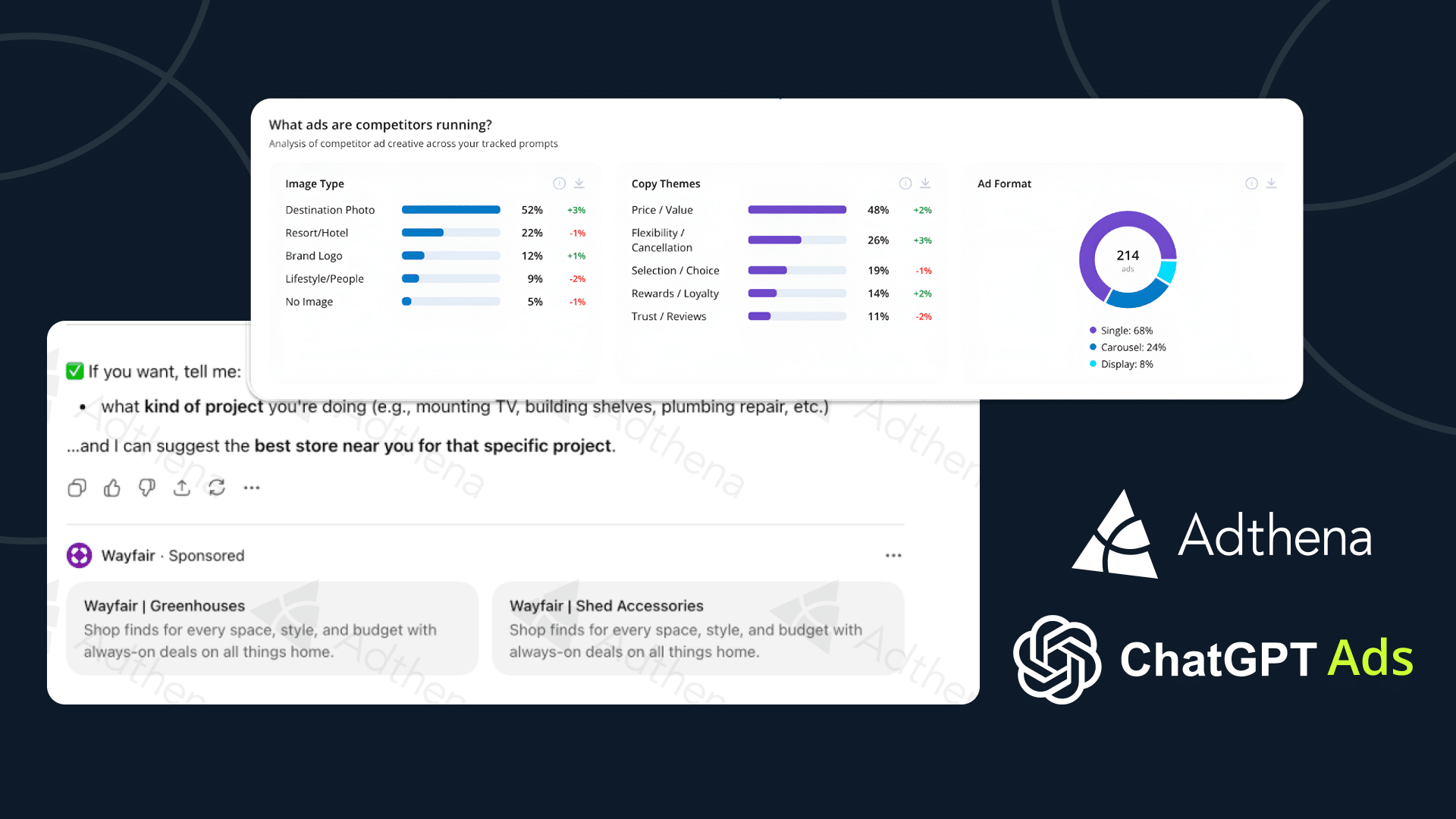
Unlike the crowded SERPs of Google, ChatGPT ads are integrated directly into the conversational flow. When a user expresses commercial intent—such as asking for the “best running shoes under $100″—a sponsored result appears inline with the AI’s response, clearly marked as “Sponsored.”
The format is lean and disciplined. There are no bulky sitelinks or complex extensions. Instead, the ad consists of a headline, short body copy, and a direct destination link. Because users are already engaged in a deep-dive conversation, they are often closer to a purchasing decision than a typical search query user, making these placements high-intent opportunities.
The ‘Double Parked’ Phenomenon
One of the most intriguing discoveries from Adthena’s tracking of over 50,000 daily placements is what they term “Double Parking.” In certain instances, a single brand can appear twice within a single AI response. For example, New Balance was spotted with two separate sponsored placements in one answer. This suggests a unique dynamic regarding visibility and frequency that could allow dominant brands to effectively “own” a specific conversation.
Data-Driven Insights: 10 Keys to Conversational Ad Success
Analyzing the top-performing ads across B2B software, fintech, and ecommerce reveals a specific blueprint for success in the AI environment:
- The Brand-First Formula: Top ads typically follow a “Brand: Benefit” structure (e.g., “Betterment: 5.25% APY Cash Account”).
- Context Mirroring: The most effective ads echo the user’s specific query. An ad that references a user’s specific goal (like transitioning from a 5k to a half-marathon) sees significantly higher engagement.
- The Power of Hard Numbers: Vague promises fail here. Precise dollar amounts, APY rates, and specific credit figures drive conversions.
- Frictionless Offers: “Free” remains the most powerful conversion lever, removing barriers for users in research mode.
- Action-Specific CTAs: Generic “Learn More” buttons are virtually absent. Instead, brands use direct commands like “Open Account” or “Shop Cell Phones.”
- Calm Tone: Hype and excessive exclamation marks kill trust. The most successful ads mirror ChatGPT’s own measured and confident register.
Hyper-Concise Copy: Headlines average 30 characters, while body copy is usually around 19 words, often split into two tight sentences.
The Strategic Shift for Marketers
The primary takeaway for paid search strategists is that Google ad copy cannot simply be copy-pasted into ChatGPT. The environment is conversational and intent-rich. Brands must pivot toward context mirroring and specific, low-friction value propositions.
Beyond creative, the challenge of visibility is paramount. Because the AI determines which ads are relevant to a specific conversation, missing out on these placements means missing the conversation entirely. This has led to the rise of AI-specific intelligence tools to map competitive gaps and track prompt-level visibility.
Conclusion: The First Prompt is the New First Click
As OpenAI continues its global rollout, the competitive landscape will evolve rapidly. Brands that begin testing creative, mapping competitive gaps, and understanding the nuances of conversational intent now will gain a significant first-mover advantage. In the age of AI search, winning the first prompt is as critical as winning the first click ever was in the era of traditional SEO.