Sundar Pichai Signals a Shift: The Future of Google Search and the AI Evolution
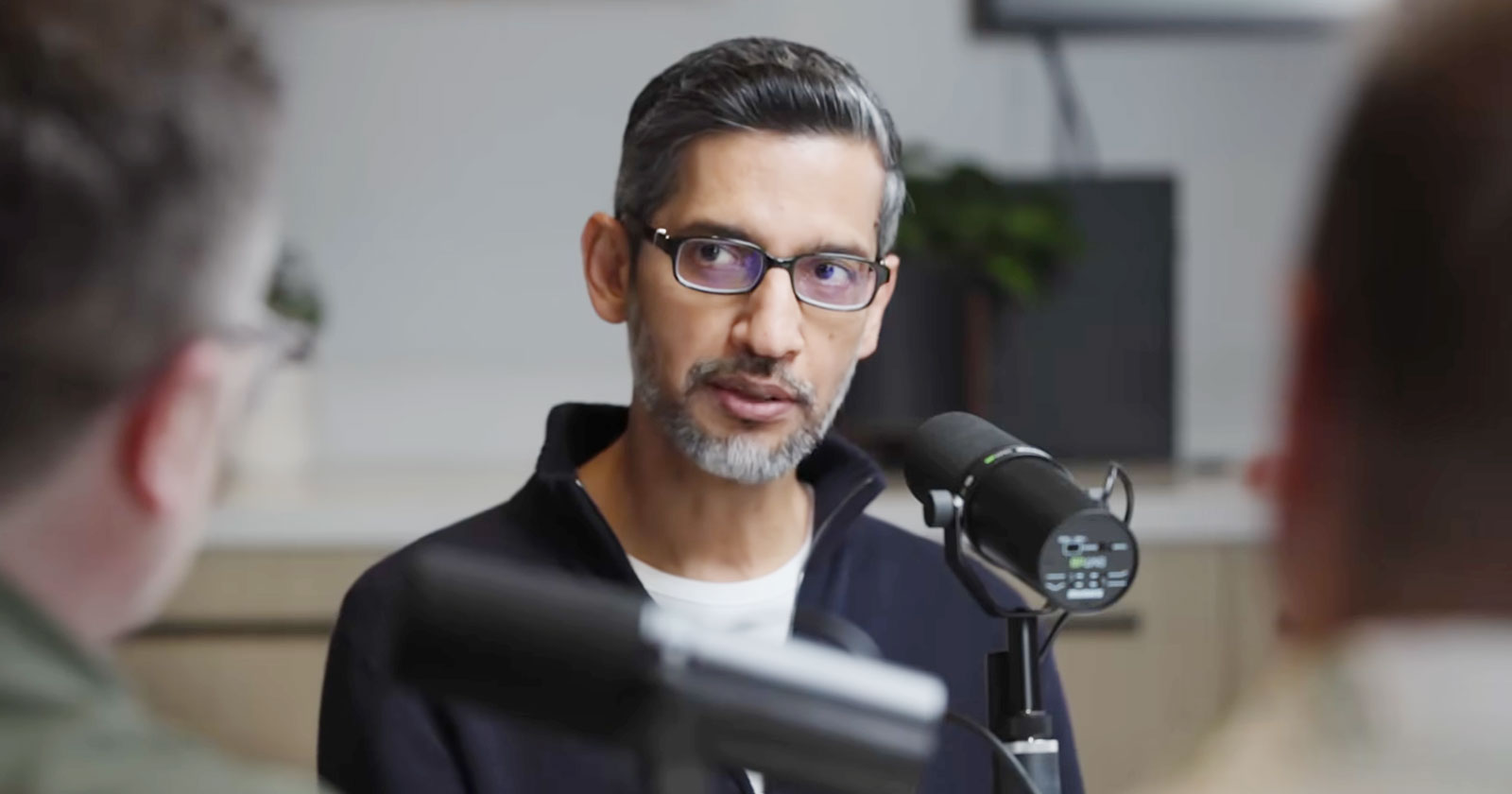
In a recent high-profile interview, Google CEO Sundar Pichai addressed the evolving landscape of internet search, confirming that the company is comfortable with the transition toward an AI-centric interface. As Google continues to integrate its AI Mode more deeply into the search experience, questions regarding the longevity of the ‘classic’ ten blue links have reached a fever pitch.
The Shift to a ‘Continuum’
When pressed on whether Google plans to abandon its traditional search format entirely, Pichai described the move not as a sudden ‘rip the band-aid’ moment, but as a ‘continuum.’ He emphasized that Google is taking a methodical approach, ensuring the product evolves alongside user expectations. Despite skepticism from some corners of the public, Pichai maintains that internal metrics show users are responding positively to the speed and capability of AI-driven results.
The Role of Links and Attribution
One of the primary concerns for publishers and SEO professionals is the potential decline in referral traffic. Pichai addressed this by confirming that sources and links will remain a fundamental part of the ecosystem. He stressed that users still have an inherent desire to connect directly with the web, suggesting that while the delivery mechanism is changing, the intent to find original source material remains intact.
Economic Implications: Ads and Subscriptions
With the shift toward AI-generated answers, the traditional advertising model faces potential disruption. Pichai offered clarity on how Google intends to maintain its business health, pointing toward a dual strategy of advertising and subscription models. By blending these revenue streams, the company aims to sustain the economic value it provides to both its users and its ecosystem of creators.
Balancing Productivity and Ecosystem Health
While some critics worry about the environmental cost of AI and the decline of organic referral traffic—often referred to as the ‘Google Zero’ phenomenon—Pichai remains optimistic. He compared the current AI revolution to the historical introduction of the spreadsheet, arguing that the technology will ultimately drive higher productivity and provide users with more time for leisure. However, for many publishers, the transition remains a complex challenge, as they must now navigate an environment where visibility in AI answers does not necessarily equate to the high-value traffic of the past.