Microsoft Admits AI-Generated Summaries are Reducing Website Visits and Clicks
A Surprising Admission from Microsoft
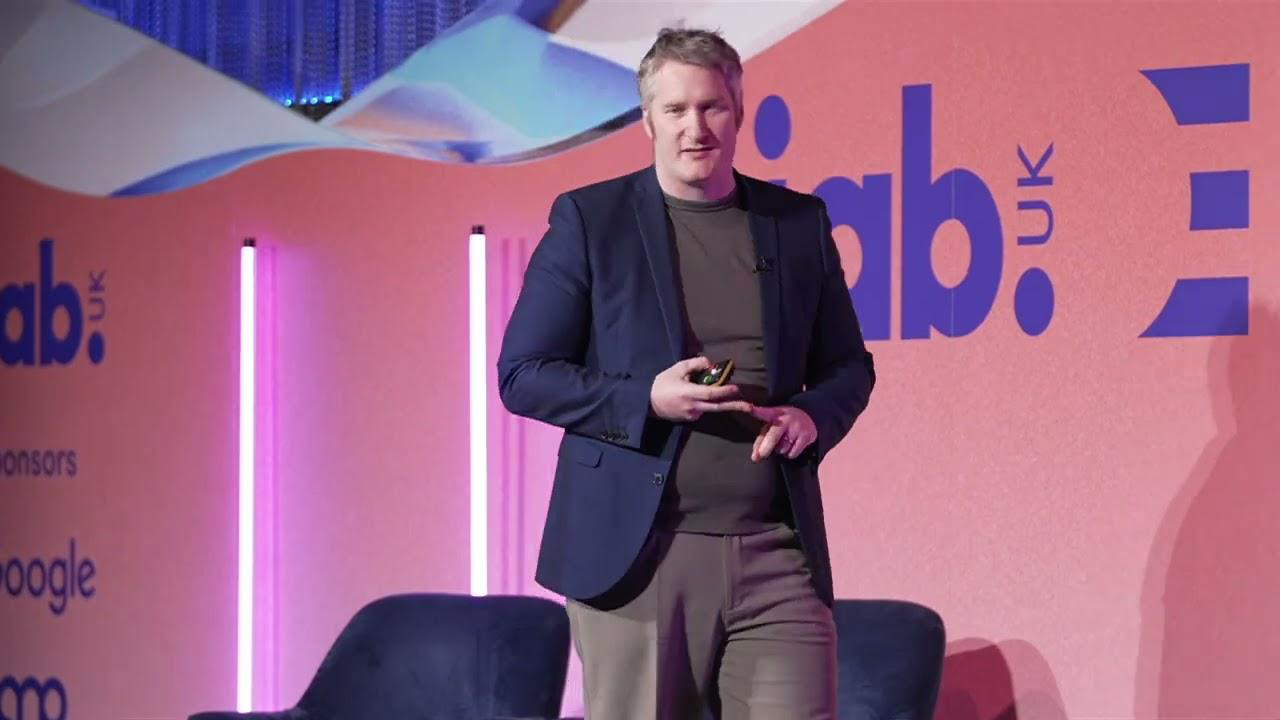
In a revealing moment during a recent professional webinar, Microsoft has acknowledged a critical challenge facing the modern web: the rise of Large Language Models (LLMs) is leading to a significant decrease in organic traffic and user clicks. This admission comes from James Murray, a Senior Product Marketing Manager at Microsoft, during his presentation titled “How to successfully navigate the human, LLM, and agentic web.”
The core of the controversy stems from a specific slide presented at the 9-minute and 30-second mark of the webinar. The slide explicitly stated, “AI summarizes results, reducing clicks and website visits.” While Murray did not elaborate extensively on this point during the live session, the written statement provides a rare, candid look at how AI-driven search is altering the fundamental relationship between search engines and content creators.
The “Zero-Click” Dilemma: Microsoft vs. Google
This admission creates a striking contrast between the two biggest players in the AI search space. For months, Google has maintained a different narrative regarding its AI Overviews. Google has publicly asserted that clicks remain “relatively stable” and has even argued that AI integrations lead to “more quality clicks” and an increase in the total number of queries. Google has gone as far as to label independent studies showing a decline in traffic as being based on “flawed methodologies.”
However, Microsoft’s internal perspective—as presented by Murray—suggests a different reality. By acknowledging that AI summaries reduce the need for users to click through to a source website, Microsoft is essentially confirming the “zero-click search” phenomenon. In this scenario, the AI provides the answer directly on the search results page, leaving the original content creator with the burden of hosting the data but without the reward of the visitor.
Understanding the “LLM Web”
The presentation categorized this shift under the “LLM Web” section, distinguishing it from the traditional human-centric web. The “agentic web” and LLM-driven interfaces are designed for efficiency and speed. By synthesizing information from multiple sources into a single, coherent summary, AI agents remove the friction of browsing multiple tabs. While this is a victory for user experience (UX), it presents a potential existential crisis for publishers, bloggers, and news organizations that rely on ad impressions and direct traffic for revenue.
Implications for SEO and Content Strategy
The confirmation from Microsoft suggests that SEOs must pivot their strategies. If the goal is no longer just “getting the click,” creators may need to focus on:
- Brand Authority: Ensuring the AI cites their brand as a primary source, even if the user doesn’t click.
- Conversion Optimization: Making the most of the “quality clicks” that do survive the AI filtering process.
- Diversifying Traffic: Reducing reliance on search engines by building direct relationships with audiences via newsletters and social platforms.
As the industry continues to debate whether AI is a tool for discovery or a tool for extraction, Microsoft’s candid slide serves as a pivotal piece of evidence for those arguing that the open web’s traffic ecosystem is under threat.