Microsoft vs. Yahoo: The Naming Controversy Behind the New ‘Scout’ AI Agents
The Microsoft Build 2026 Revelation
During the highly anticipated Microsoft Build 2026 event, the tech giant officially unveiled its latest innovation in the artificial intelligence landscape: Microsoft Web IQ. Positioned as a specialized search engine for AI agents, Web IQ aims to bridge the gap between static web data and dynamic, real-world intelligence. However, the excitement surrounding this technical breakthrough was tempered by a naming decision that has left industry observers questioning the synergy between Microsoft and its longtime partner, Yahoo.
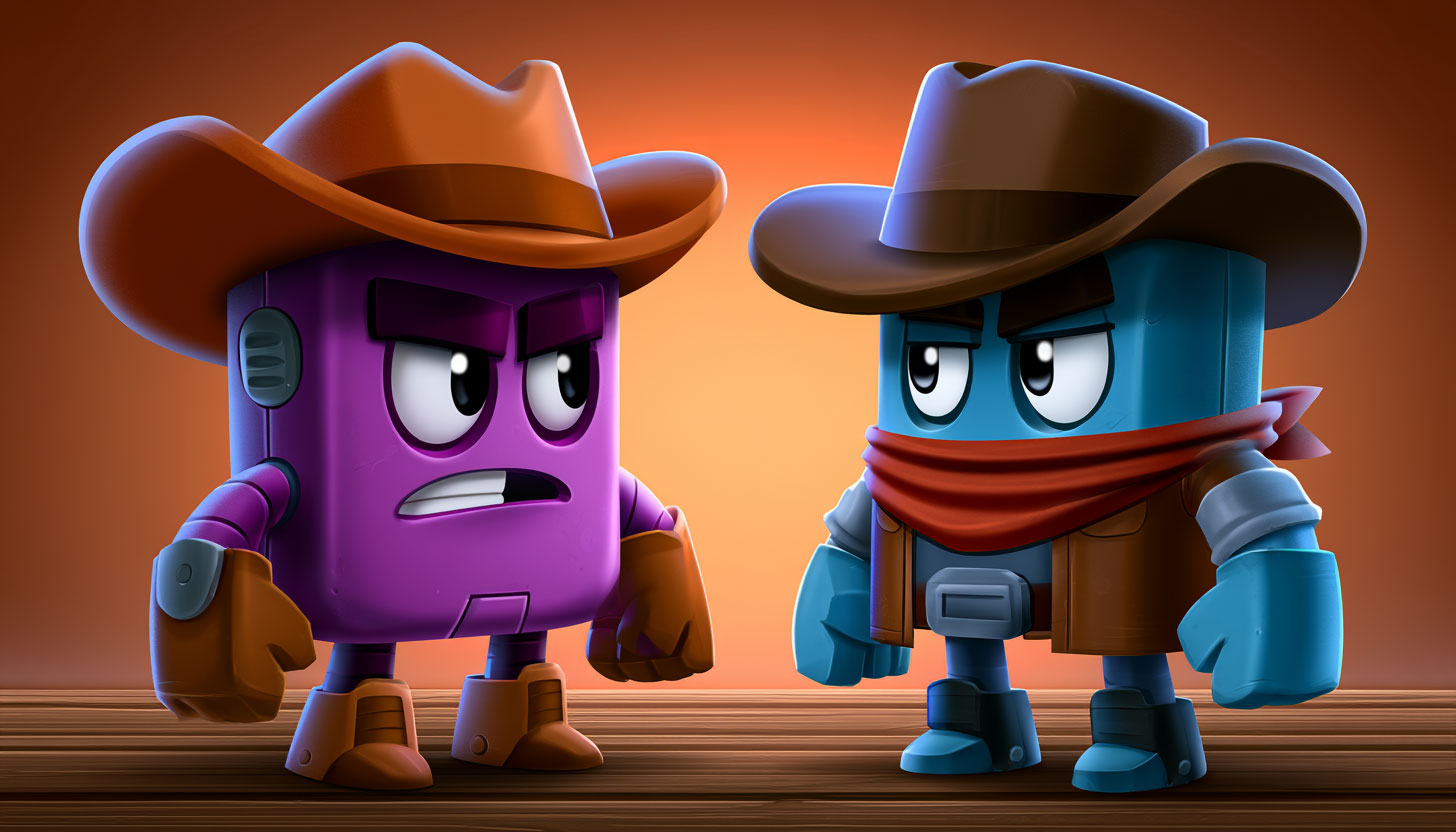
The Conflict: Two Scouts, One Ecosystem
The core of the controversy lies in the launch of ‘Microsoft Scout,’ a personal agent designed for the workplace. The announcement comes just months after Yahoo introduced its own product, also named ‘Yahoo Scout,’ in January 2026. Given that Yahoo’s implementation was built in direct partnership with Microsoft and even utilizes the Bing grounding API, the decision for Microsoft to release a competing product with an identical name has sparked confusion.
Yahoo’s version of Scout was designed to leverage Microsoft’s search infrastructure to provide authoritative answers. The choice of the name ‘Scout’ by Microsoft now appears to potentially undermine the branding efforts of one of its most critical search allies, leading to an optics nightmare that even Yahoo’s CEO, Jim Lanzone, seemed to address with a cryptic social media response.
Introducing Web IQ: Search for the Agent Era
Beyond the branding dispute, Microsoft’s Web IQ represents a massive pivot in how search technology is architected. Jordi Ribas, President of Search at Microsoft, emphasized that while traditional search engines like Bing were engineered for human interaction, the next wave of queries will be driven by AI agents. Projections suggest these automated entities will generate 1,000 times more queries than human users within a few years.
Web IQ focuses on three primary pillars to dominate this new market: quality, latency, and token efficiency. By re-architecting the backend to support agent-specific queries, Microsoft hopes to remain the backbone of the AI industry. Technologies like ‘Harrier,’ their state-of-the-art embedding model, play a vital role in optimizing semantic retrieval, ensuring that agents receive highly relevant data with minimal resource expenditure.
Is the Partnership Strained?
While Microsoft maintains that Web IQ is designed to respect publisher preferences and foster a sustainable ecosystem, the ‘Scout’ branding collision suggests potential friction in the partnership. If Yahoo was indeed working toward a unified vision with Microsoft, the sudden introduction of a Microsoft-branded Scout may signal a shift in how the companies approach their respective AI strategies. As the industry watches closely, the question remains: will the two firms continue to collaborate seamlessly, or are we witnessing the beginning of a divergence in their AI-driven search initiatives?