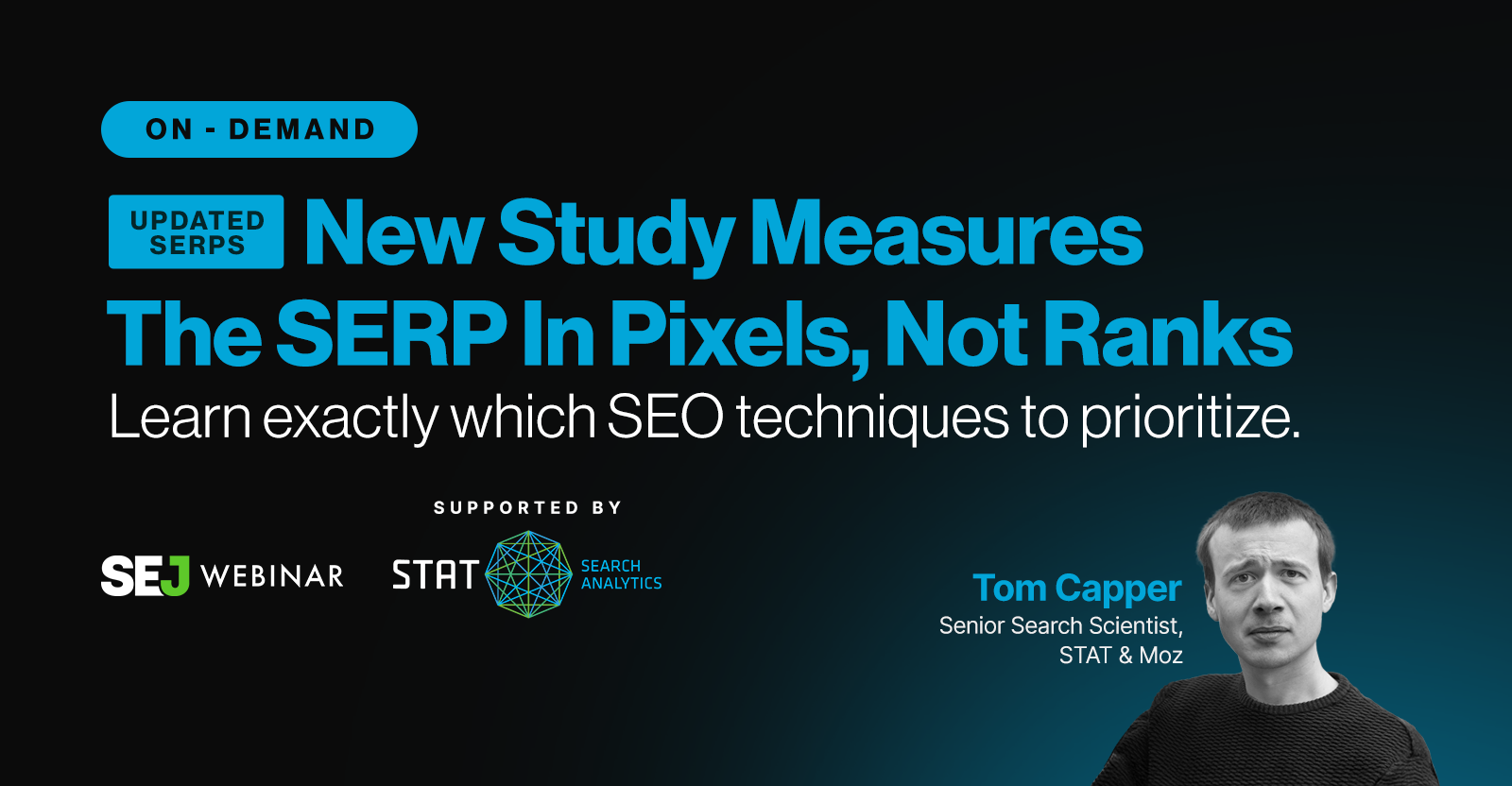
The Illusion of the Number One Spot
For decades, the holy grail of Search Engine Optimization (SEO) has been ‘Position 1.’ Marketers and business owners have fought tirelessly to secure the top organic spot, believing it guaranteed maximum visibility and a flood of clicks. However, new data reveals a stark reality: being ranked first doesn’t mean what it used to. In the current Google ecosystem, the number one organic result is frequently pushed so far down the page that it becomes practically invisible to the average user.
Recent analysis shows that only 57% of organic position-one results are ‘above the fold’ (visible without scrolling) on desktop devices. The situation is even more dire for mobile users, where only about 40% of top organic results are immediately visible. This shift suggests that traditional rank-tracking is becoming an obsolete way to measure success.
The Pixel Problem: Measuring Visibility, Not Rank
To understand why rankings are deceiving, we must look at the SERP through a ‘pixel height’ lens. On a standard desktop laptop viewport of approximately 800 pixels, the median organic #1 result now sits roughly 635 pixels from the top. By the time a user reaches the second organic result, they are almost certainly scrolling.
On smartphones, the experience is described as ‘horrendous.’ Nearly two-thirds of the time, the first organic result is completely hidden, with not even the first line of text visible upon landing on the page. To reach position 10, users now have to scroll through roughly five full screens of content.
What Is Stealing the Spotlight?
If organic results are being pushed down, what is occupying the prime real estate? The answer depends on the user’s search intent:
- Informational Queries: AI Overviews (AIOs) are the primary culprits, consuming nearly one-third of the above-the-fold space. When combined with the Knowledge Graph, these AI-driven elements take up roughly 41% of the initial view.
- Commercial Queries: The layout is even more skewed toward monetization. Paid advertisements and shopping units occupy over 60% of the above-the-fold area. In some categories, ‘Popular Products’ widgets push organic visibility down to a mere 16% of the initial screen.
Strategic Pivot: Optimizing for ‘Result Size’
Given this landscape, SEOs must stop prioritizing keywords based solely on volume or rank and start prioritizing based on visual footprint. A standard organic listing is roughly 120 pixels tall. However, a result enhanced with Images, Prices, and Ratings (IPR) can reach 240 pixels—effectively doubling the brand’s visibility.
The goal is no longer just to ‘be’ at the top, but to ‘own’ as much of the screen as possible. High-impact rich results act as a visual anchor, drawing the eye and increasing the likelihood of a click, even if other results technically sit higher in the code.
The New Power Signal: Branded Search vs. Domain Authority
Interestingly, the data suggests a shift in what Google values. While Domain Authority (DA) was once the primary predictor of success, branded search volume has become a significantly stronger indicator of organic ranking potential. This creates a powerful ‘visibility flywheel’:
1. Increased visibility leads to higher brand recognition.
2. Higher recognition leads to more branded searches.
3. Increased branded search volume signals authority to Google.
4. Rankings improve, further compounding visibility.
Preparing for the AI Agent Era
As we move toward a future dominated by AI agents and Generative Engine Optimization (GEO), the fundamental importance of the SERP remains. AI agents rely on grounded Large Language Models (LLMs) that use SERPs as their primary source of truth. Therefore, optimizing for the SERP is still the best way to ensure an AI agent recommends your brand.
To measure success in this new era, brands should shift focus from ‘rank tracking’ to ‘mention tracking’—monitoring how often their product is recommended within an LLM response rather than where a link appears in a list.