Brand Authority vs. Topical Authority: Why the AI Search Era Demands a Strategic Pivot
The Great Search Shift: Beyond the Content Treadmill
For years, the SEO industry has been obsessed with ‘topical authority’—a concept that, in practice, often translated into the mass production of content. Marketers were encouraged to build exhaustive ‘topic maps’ and content clusters, effectively treating their websites as encyclopedias in hopes that search engines would mistake volume for expertise. However, the arrival of AI-driven search (SGE, Perplexity, ChatGPT) has exposed a critical flaw in this approach: content volume does not equal trust.
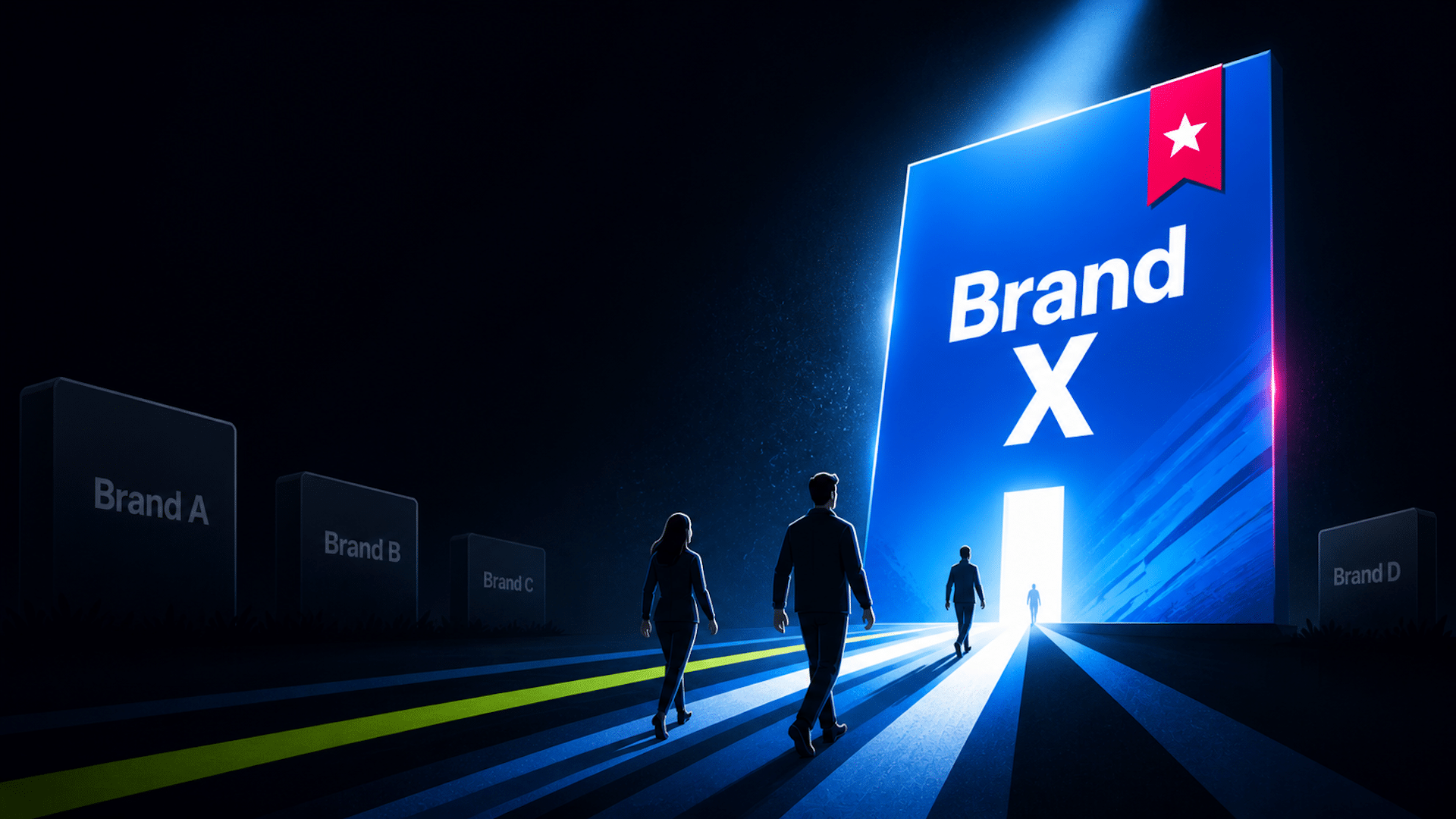
As AI begins to synthesize answers directly in the search interface, the traditional ‘click-through’ economy is collapsing. When a user gets a direct answer without ever visiting a website, the value of a generic ‘what is’ article vanishes. In this new landscape, brand authority—the genuine market recognition and trust a brand holds—has become the primary driver of visibility.
Defining the Divide: Topical Coverage vs. Brand Authority
To understand why brand authority wins, we must first distinguish it from the diluted version of topical authority prevalent in many SEO agencies today.
- The SEO Version of Topical Authority: This is often a ‘content landfill’ strategy. It involves mapping out every possible keyword in a niche and creating near-identical pages to ‘cover’ the topic. It is an attempt to signal expertise through sheer quantity.
- True Brand Authority: This is defined by what the rest of the web says about you. It is the result of being cited by journalists, recommended in community forums (like Reddit), reviewed by experts, and searched for by name. Authority is not created by what you publish on your own site; it is created when you become a recognized source in the eyes of others.
In short: Topical coverage is what you say about yourself. Brand authority is what the market says about you.
The ‘Smash Burger’ Test: A Lesson in Real Authority
Consider a brand attempting to dominate the ‘smash burger’ niche. A traditional SEO approach would create a series of pages: ‘What is a smash burger?’ ‘Best meat for smash burgers,’ and ‘Smash burger recipes.’ While useful, these pages alone don’t create authority.
Real authority is achieved when the brand publishes original research on the fastest-growing burger chains, interviews celebrity chefs, or creates a definitive industry index that journalists use as a primary source. When food creators reference your data and users search for your brand specifically to find your ‘Smash Burger Report,’ you have achieved brand authority. You are no longer just ‘covering a topic’; you are leading the conversation.
How AI Breaks the Old Content Economics
The traditional model of informational content served as a top-of-funnel advertising tool. The goal was to attract a user via a generic query, expose them to the brand logo, and capture them via an email list or remarketing pixel. AI search destroys this journey. By providing the answer immediately, AI removes the need for the click.
If the click disappears, the advertising effect of low-value informational content disappears with it. Users aren’t mourning the lost visit to a blog post; they are simply getting the answer they needed. This shift proves that ‘meaningful visibility’—being the brand that the AI recommends—is far more valuable than simply being the page that the AI scrapes for data.
Strategies for Winning in the AI Era
To survive and thrive in AI search, brands must move from ‘optimizing pages’ to ‘optimizing presence’ across the entire digital ecosystem.
1. Prioritize Human Citations Over Machine Retrieval
There is a significant difference between an AI citation (a retrieval artifact) and a human citation. An AI citation proves your content is accessible; a human citation (from a trade publication or a trusted influencer) proves your brand is credible. Focus on earning mentions in places where humans congregate: Reddit, YouTube, podcasts, and industry news sites.
2. Monitor Brand Search as the Ultimate Metric
The cleanest signal of growing authority is brand search. When people search for your brand by name, it indicates mental availability and demand. Tracking your ‘share of search’ relative to competitors provides a more accurate picture of your market power than counting chatbot footnotes.
3. Create ‘High-Value’ Assets
Stop producing ‘dead’ content that only exists to rank. Instead, create assets that have marketing value even if they never rank on page one:
- Original data studies and industry reports.
- Proprietary tools and calculators.
- Expert commentary and opinionated guides.
- Deep, honest product comparisons.
Conclusion: The End of Mediocrity
AI search hasn’t killed SEO; it has killed the illusion that mediocrity deserves traffic. The future belongs to brands that understand the synergy between positioning, PR, and technical optimization. The goal is no longer to trick a search engine into thinking you are an expert, but to actually become the expert the world—and the AI—recommends.