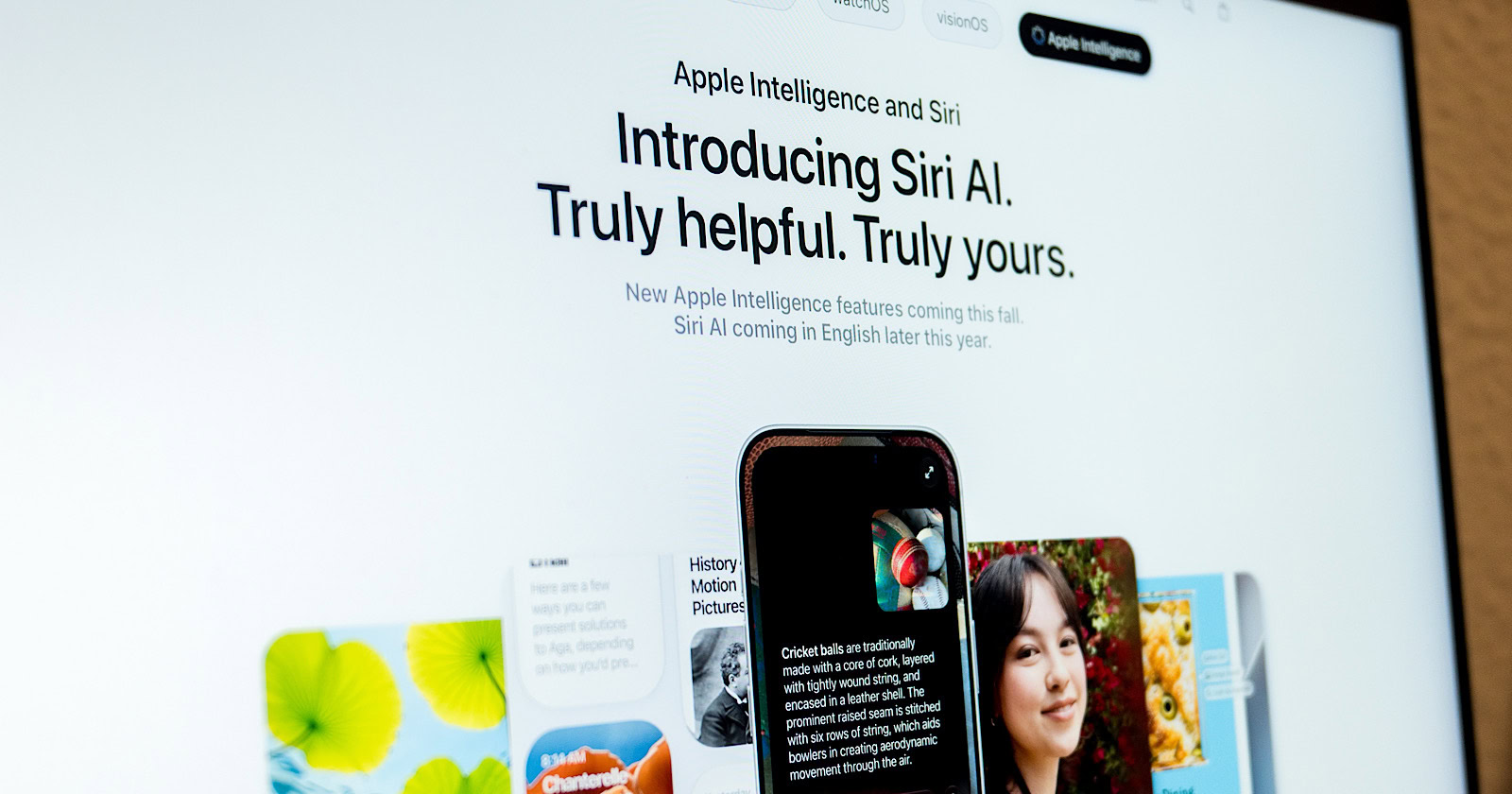
Apple’s latest WWDC announcement has marked a significant shift in the digital landscape, as the tech giant unveiled a re-engineered, AI-powered version of Siri built on Apple Intelligence. This update effectively turns the highly anticipated collaboration between Apple and Google into a tangible consumer product, raising critical questions regarding the future of search visibility for businesses and publishers.
The New Siri: A Shift in User Behavior
Siri has been completely rebuilt to function as a more capable, conversational assistant. By integrating Apple Intelligence, the new Siri gains a deeper understanding of personal context, broad world knowledge, and on-screen awareness. Perhaps most impactful for search marketers is that this version of Siri is deeply embedded into the Spotlight feature on macOS and iPadOS—a space where users already perform high-intent queries.
With the ability to pull real-time information from the web to generate comprehensive answers, Siri is poised to resolve a growing volume of user queries before they ever reach a traditional web browser. This mirrors the trend seen with Google’s own AI Overviews.
Apple, Google, and the Infrastructure of AI
While Apple’s press releases emphasize ‘Apple Foundation Models,’ the integration of Google’s Gemini technology is at the architectural core. Reports suggest a high-value partnership involving custom-tuned Gemini models, though Apple is framing the experience as exclusively Apple-branded. For SEO professionals, this means that even though the technology is Google-powered, the interface and behavior of the results will be dictated by Apple’s ecosystem.
The Challenge of Search Visibility and Measurement
One of the most pressing concerns is the ‘black box’ nature of Siri’s new answer interface. Currently, Apple’s guidance is limited to a brief mention in their Applebot support documentation: web-based answers may occasionally include links to sources. However, there is no current mechanism for:
- Measuring impressions or clicks from Siri-generated answers.
- Accessing analytics equivalent to Google Search Console.
- Understanding the frequency or triggers for when a link is displayed versus when an answer is provided without a citation.
Preparing for the Future of ‘Assistant’ SEO
As search becomes more task-oriented and assistant-led, the conventional ‘Ten Blue Links’ model is fading. To remain relevant, brands should focus on the following:
- Structured Data: Ensure that your website’s information is clearly structured, making it easy for AI models to parse, interpret, and cite.
- Quality Control: Use tools like
robots.txtandnosnippettags strategically to manage how Applebot interacts with your content. - Content Authority: As Siri’s Visual Intelligence capabilities grow, high-quality, accurate, and descriptive content is becoming more vital for both text and image-based search discovery.
Conclusion
We are currently in a transition period. As the user beta rolls out later this year, the industry will gain a clearer picture of how these AI-generated answers impact organic traffic. For now, the most effective strategy is to double down on clear, authoritative content that provides value both to human readers and the AI assistants tasked with interpreting the web.